Which Kitchen Design Is The Most Efficient?
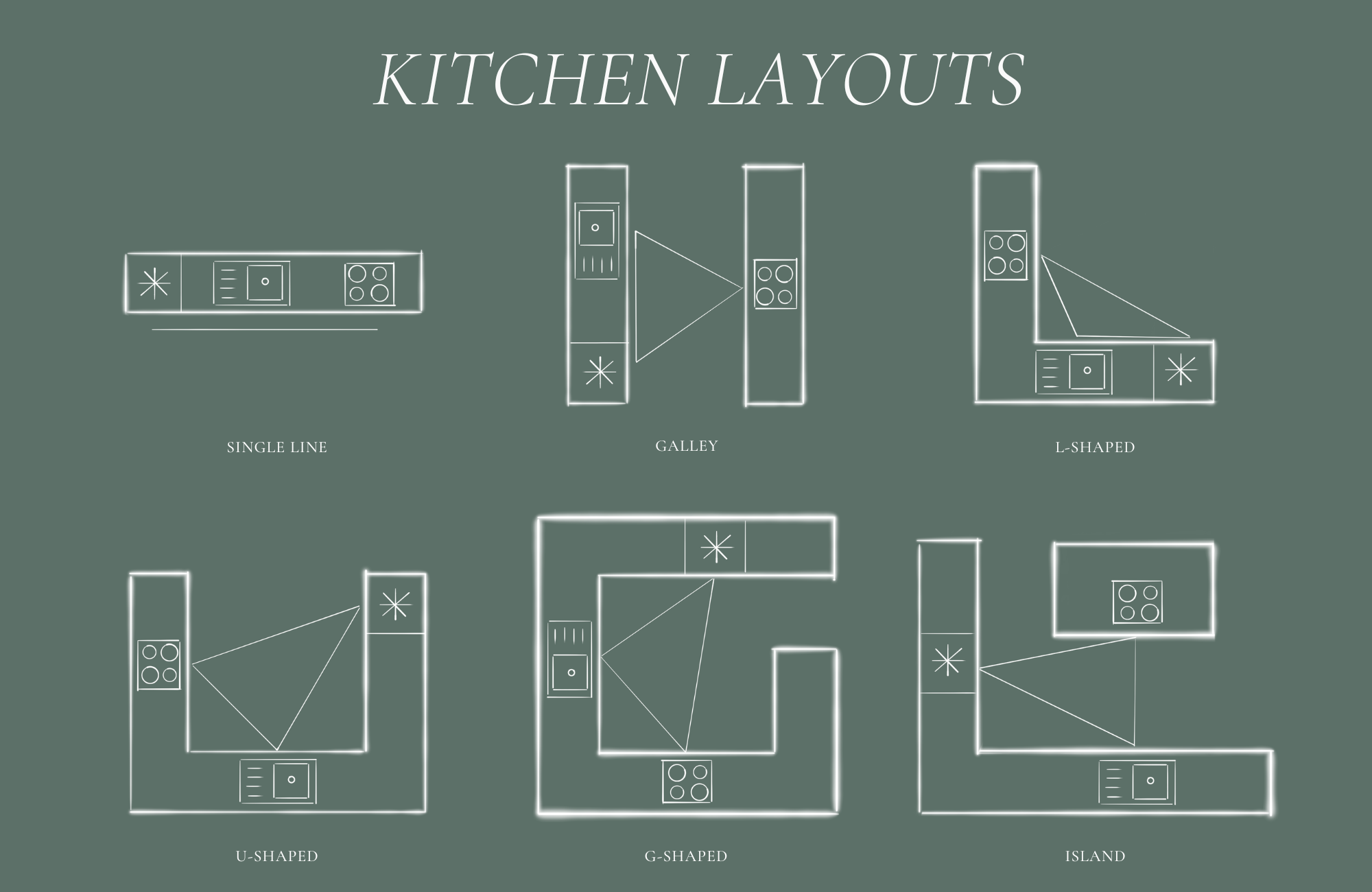
The most efficient kitchen layout is an L-shape, ideally paired with an island — it keeps key zones close, supports a natural cooking flow, and adds storage without cramping the space. But the best layout always depends on your room, and that's exactly what this guide covers.
When planning a kitchen, one of the most common questions homeowners ask is:
Which kitchen design is actually the most efficient?
The answer isn’t just about choosing a layout that looks good on Pinterest.
A truly efficient kitchen is one that feels easy, intuitive, and effortless to use every day.
As an interior designer specialising in space planning and kitchen layouts, I always prioritise one thing first: layout and flow before anything else.
Because when the layout works, everything else falls into place.
So, What Is the Most Efficient Kitchen Layout?
From my experience, the most efficient and versatile solution is:
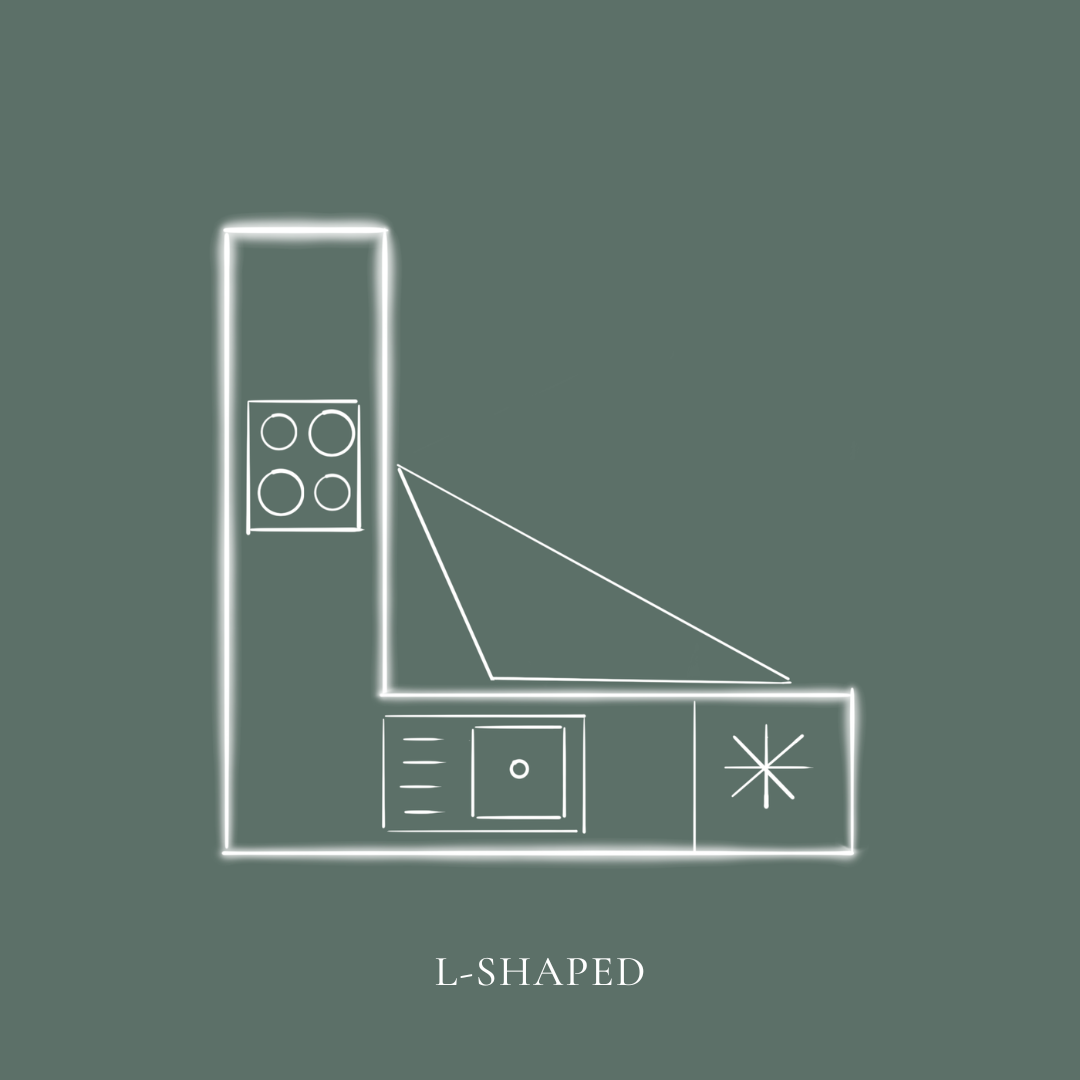
L-shaped kitchen — ideally combined with an island
This is one of the most effective layouts because it balances:
compactness
functionality
flexibility
Why the L-shape works so well:
It reduces the walking distance between key zones
It naturally supports the kitchen triangle (fridge–sink–hob)
It allows for good zoning without overcrowding the space
The shorter return run can hold a surprising amount of storage
And when you add an island:
You gain extra worktop space
You can relocate functions (e.g. sink or hob)
You increase storage capacity
You create a more social and flexible layout
In reality, this combination creates a kitchen that is both efficient and comfortable to use, especially in open-plan homes. Read What Does Open Plan Mean?
But Efficiency Depends on Your Space
There’s no one-size-fits-all solution — and this is where many homeowners go wrong.
For small kitchens:
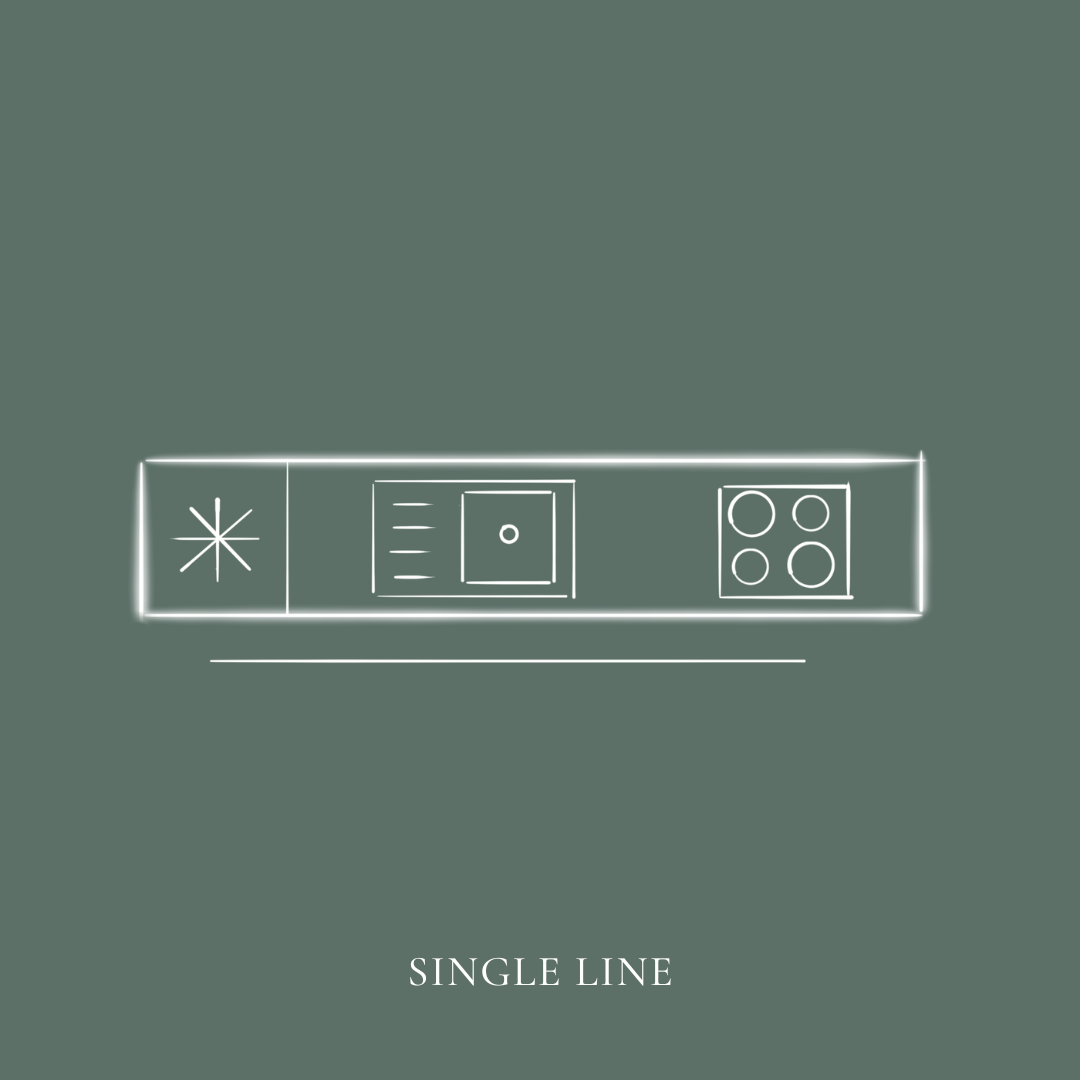
A single-wall (one-line) kitchen is often the most efficient
Keeps everything within reach
Avoids overcrowding
Maintains clear circulation
For large open-plan spaces:
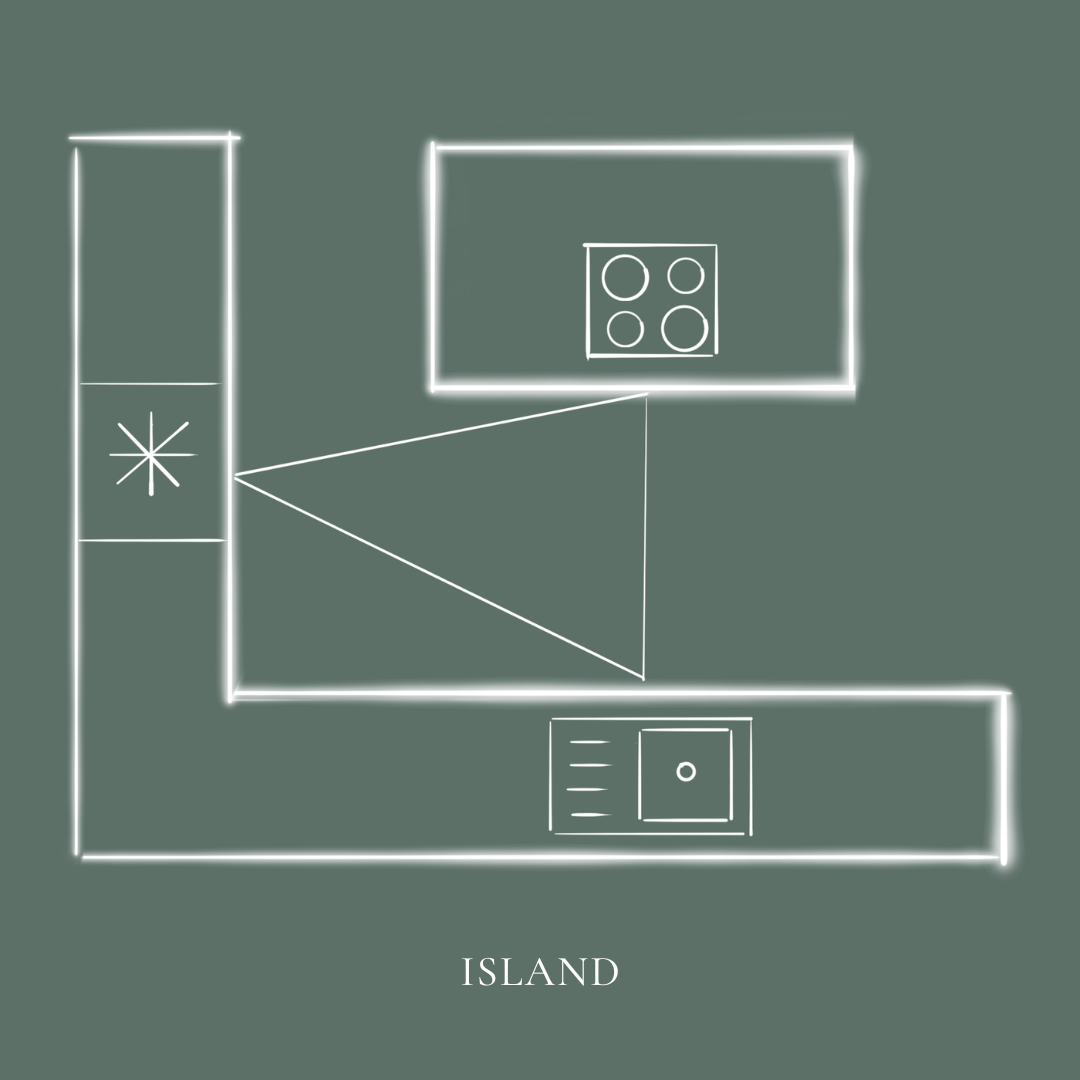
A kitchen with an island works best
Helps “anchor” the space
Prevents the kitchen from feeling empty
Improves zoning between cooking, dining, and living
This ties directly into how you zone your space — especially in open-plan layouts. Read How to Layout an Open Floor Plan.
Flats vs houses:
Flats are often limited by plumbing and structure
Houses (especially extensions) offer much more flexibility
In extensions, we can design the layout from scratch, which is where the best, most efficient kitchens happen.
The Biggest Mistake I See (Over and Over Again)
Choosing the wrong island size
This is probably the most common mistake.
People try to “fit in” an island — even when the space doesn’t allow it.
And this often leads to:
Tight walkways
Poor circulation
A kitchen that feels cramped instead of efficient.
If you're unsure whether an island fits your space, this guide - How to Size a Kitchen Island Properly - will help.
My Key Rules for an Efficient Kitchen
These are the principles I apply in every project:
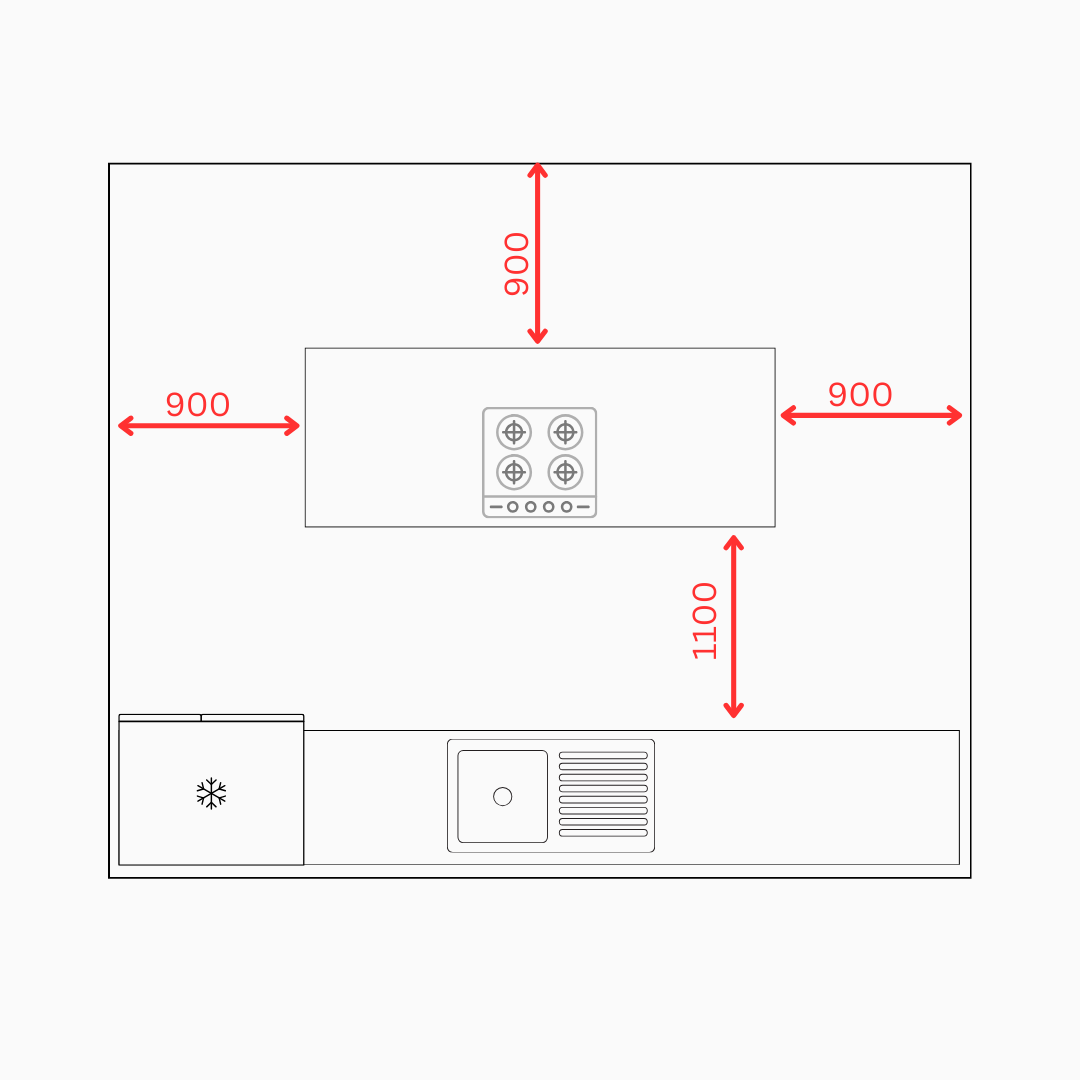
1. Get the clearances right
Minimum between island and units: 1000 mm
Comfortable spacing: 1100–1200 mm
Walkways: ~900 mm
This is non-negotiable. Without proper spacing, the kitchen won’t work.
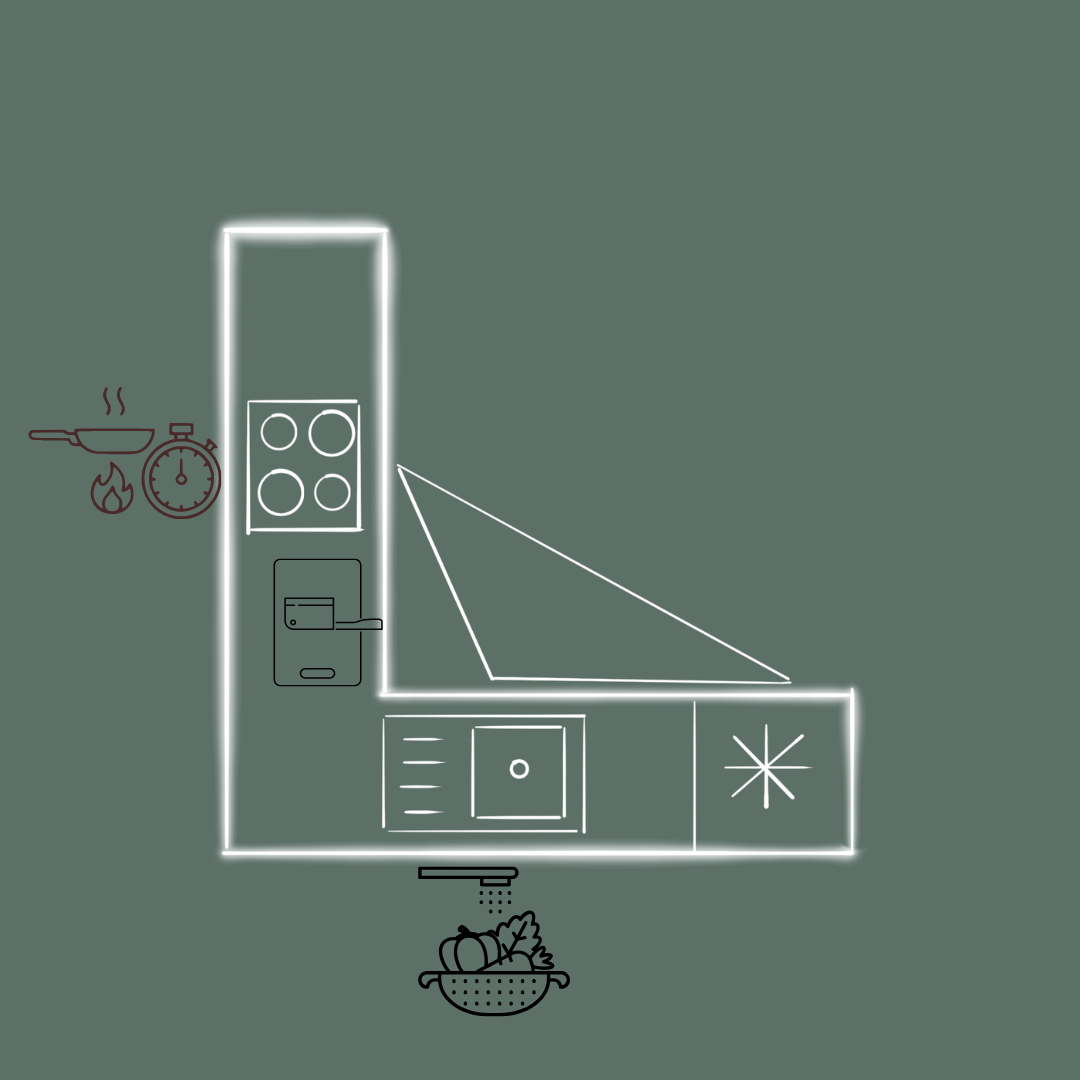
2. Follow the logic of use
Think in real-life sequence:
washing → prep → cooking
Your kitchen should support how you actually move and cook.
3. Use the kitchen triangle — but don’t force it
Fridge – sink – hob is a great principle
But it’s not always possible or necessary
Structure, walls, and circulation often matter more.
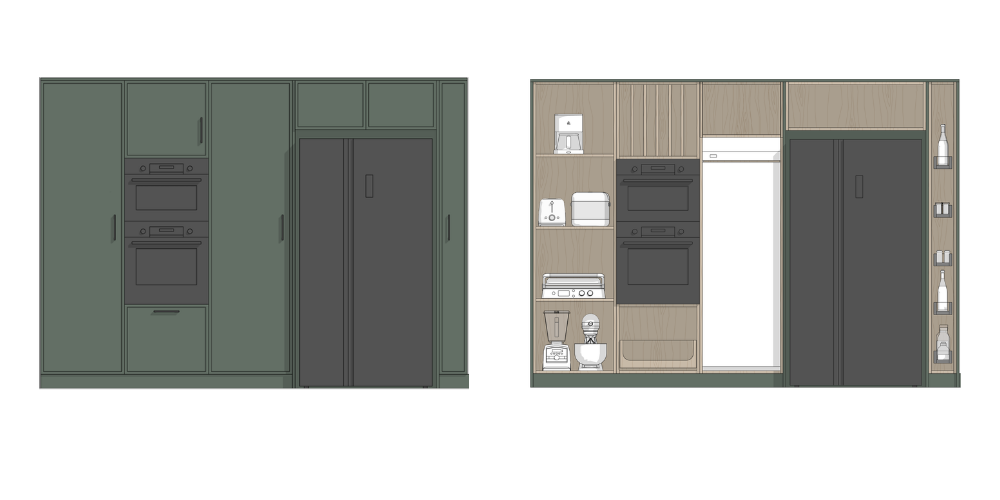
4. Prioritise storage (this is huge)
A clutter-free kitchen = an efficient kitchen
My go-to solutions:
Tall cabinets with built-in appliances
Appliance garage (with pull-out shelves + sockets)
Pantry or walk-in pantry for larger kitchens
When everything has a place:
Worktops stay clear
You spend less time searching
The space feels calm and organised
5. Make everything intuitive
Every zone should be:
Easy to reach
Logically placed
Effortless to use
A good kitchen doesn’t make you think — it just works.
When to Plan Your Layout
The best time to develop your house plans is before working with an architect or builder.
Having a clear layout strategy allows you to:
Brief your architect more effectively
Avoid unnecessary structural changes
Save time during the design process
Make confident decisions about your space
What Makes a Kitchen Feel Effortless?
This is something clients often tell me after moving in:
“It just feels easy to use.”
That’s the real goal.
An efficient kitchen means:
No unnecessary steps
No awkward movement
No friction in daily routines
Just a space that supports your life — naturally.
Final Thoughts: Efficiency Starts with Layout
So, which kitchen design is most efficient?
The answer isn’t a single layout.
It’s the right layout for your space, designed around flow and function.
If I had to summarise my approach:
Start with layout and flow — everything else comes after.
Once your layout is in place, colour is the next big decision. Read the guide on kitchen colours 2026.
Need Help Planning Your Kitchen?
If you’re planning a new kitchen or redesigning your existing one, getting the layout right from the start is key.
Explore my Kitchen & Open-Plan Interior Design service, where I focus on:
functional kitchen layouts
smart zoning and flow
storage that keeps your space clutter-free
creating a kitchen that’s easy to use every day
You can submit your floor plan via my contact form and receive a tailored proposal.
Because a well-designed kitchen isn’t just beautiful — it’s something you enjoy using every single day.
