How to Size a Kitchen Island Properly
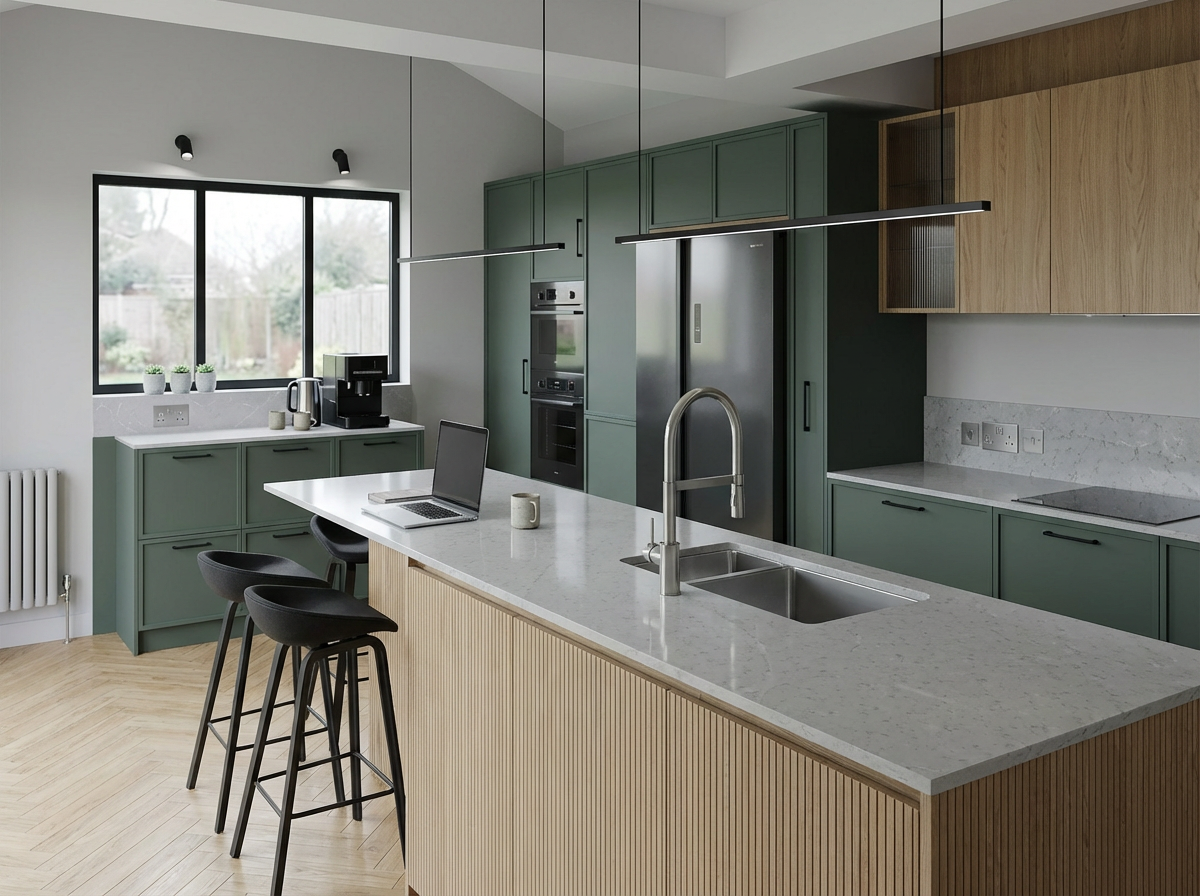
Functional Open-Plan Kitchen Dining Space with the Kitchen Island
A kitchen island should be at least 900 × 1400 mm, with a minimum of 1000 mm clearance on all working sides — but the right size depends on what the island needs to do. This guide covers the five things to check before committing to an island: clearance, dimensions, function, seating, and worktop material.
If you're planning a kitchen island, understanding the right proportions is essential. In this guide, I’ll walk you through practical kitchen island size guidelines — including ideal dimensions, spacing, and layout rules — so your island looks good and works perfectly in real life.
A kitchen island can completely transform how a kitchen works. It adds workspace, storage, and often becomes the social centre of the home.
But many islands fail because of one simple reason: they are poorly sized for the space around them.
Before sizing your kitchen island, it’s important to understand the overall layout — especially when developing house plans in the UK.
Here are five things I always check when planning a kitchen island layout for my clients.
1. Check the Clearance Around the Island
Clearance is the most important factor when deciding if an island will work in your space.
Even a beautifully designed island will feel awkward if there isn't enough room to move comfortably around it.
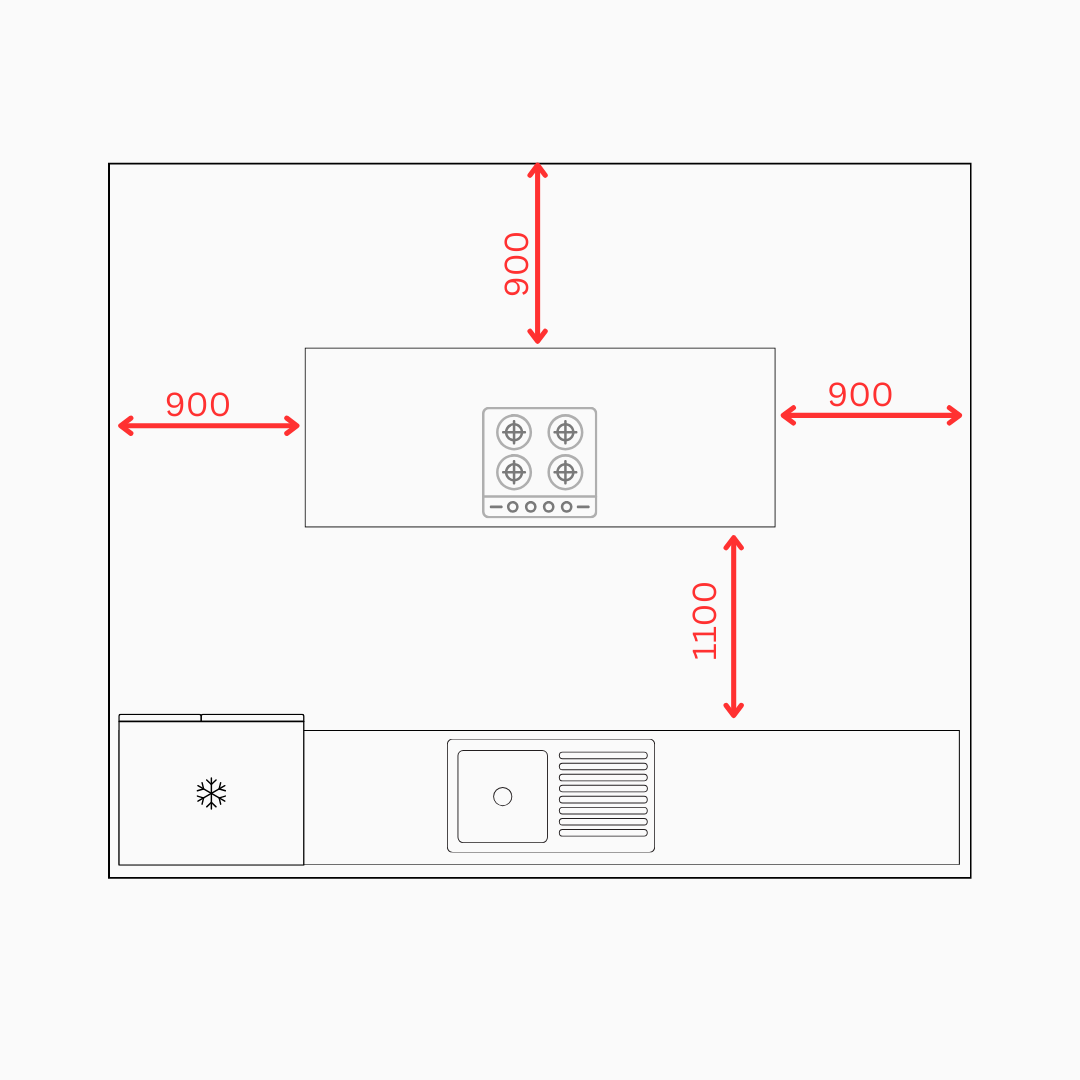
Recommended clearances:
Working clearance (between island and kitchen units):
1000 mm - absolute minimum
1100 mm - comfortable for one cook
1200 mm - ideal for two people working in the kitchen
This space allows cabinet doors, appliances and drawers to open without blocking circulation.
Walkways and circulation
If the space around the island is used mainly as a passage rather than a working zone:
Minimum walkway width: 900 mm
This allows people to move comfortably through the kitchen without interrupting someone cooking.
When planning open-plan kitchens, circulation routes are especially important because the kitchen often connects to dining and living areas.
Getting the size right is only one part of the process — the overall layout plays an even bigger role in how efficient your kitchen feels. If you're unsure which layout works best, you can explore my guide on Which kitchen design is the most efficient?
2. How Big Should a Kitchen Island Be?
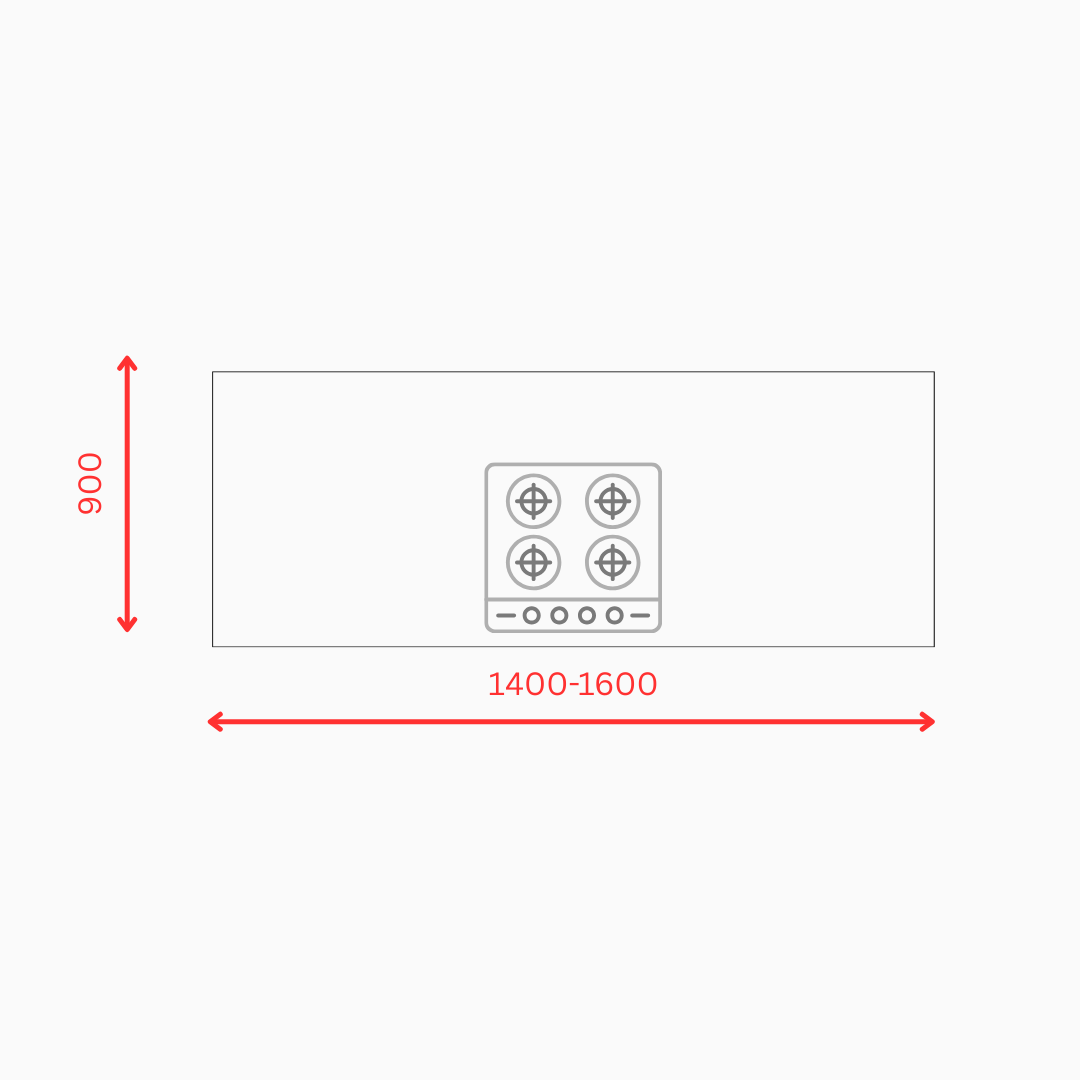
Once clearance is confirmed, the next step is determining the minimum functional island size.
The minimum practical kitchen island size is usually:
Depth: 900 mm
Length: 1400–1600 mm
However, the correct size depends on:
clearance around the island
whether the island includes appliances
seating requirements
Most comfortable kitchen islands are 1800–2400 mm long, especially when seating is included.
An island shorter than this often becomes impractical because it cannot comfortably accommodate appliances, prep space or storage.
Tip:
If your space cannot accommodate a 1400 mm island while maintaining proper clearances, a peninsula layout may work better. Peninsulas provide additional work surface and storage while taking up less circulation space.
3. Decide the Function of the Island
Before finalising the island size, ask an important question:
What will the island actually be used for?
The function will determine the required dimensions and services.
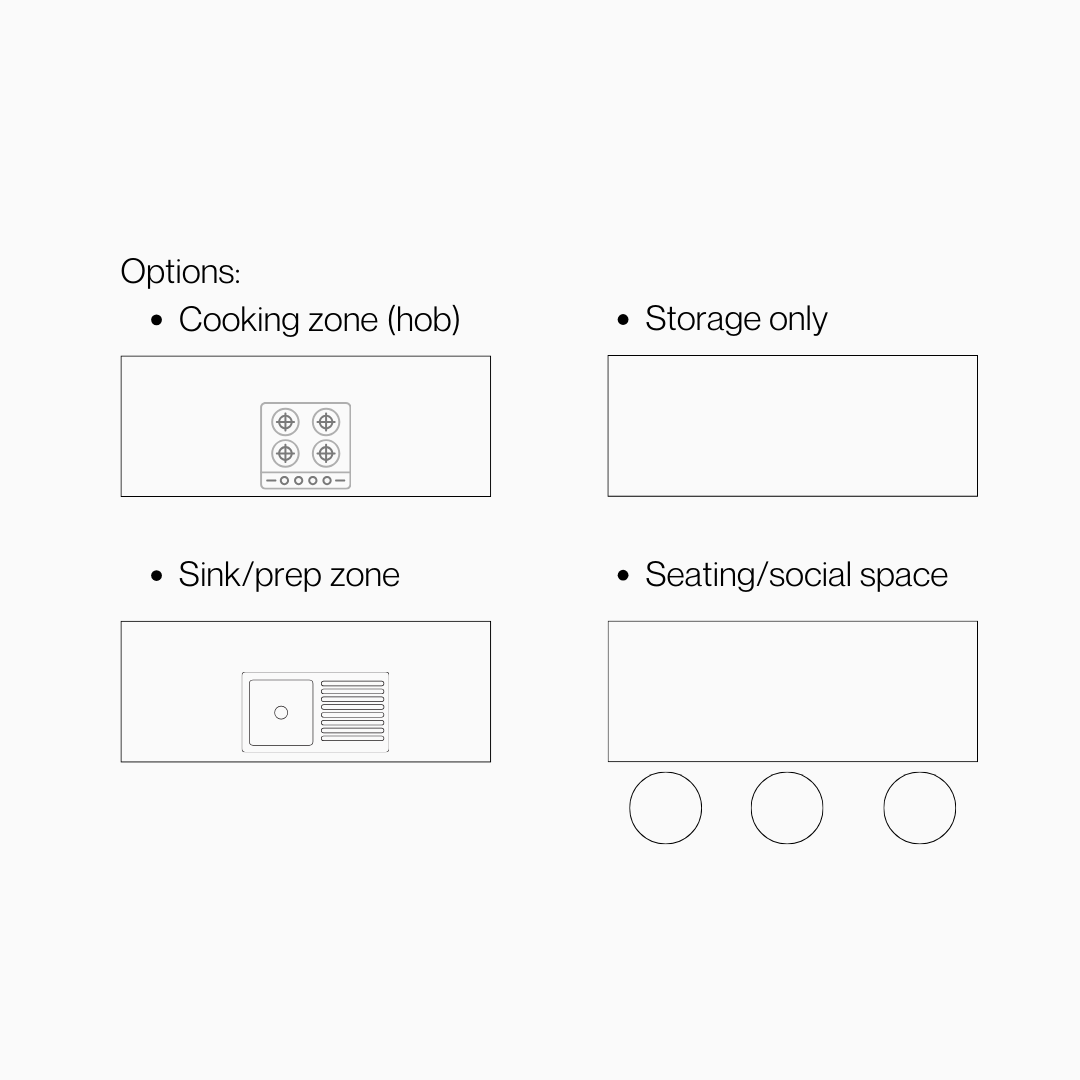
Common island functions:
Cooking zone (hob)
Adding a hob creates a dedicated cooking station, but it requires ventilation and careful planning of safety clearances.
Sink and preparation zone
This is a very popular option because it keeps the cook facing the room rather than a wall.
Storage
Sometimes the island functions mainly as extra cabinetry for pots, pans, or small appliances.
Seating or social space
In open-plan kitchens, islands often double as casual dining or gathering areas.
Keep in mind:
Adding a sink or hob affects plumbing, ventilation, and installation cost, so this should be considered early in the planning stage.
4. Plan Seating Space Carefully
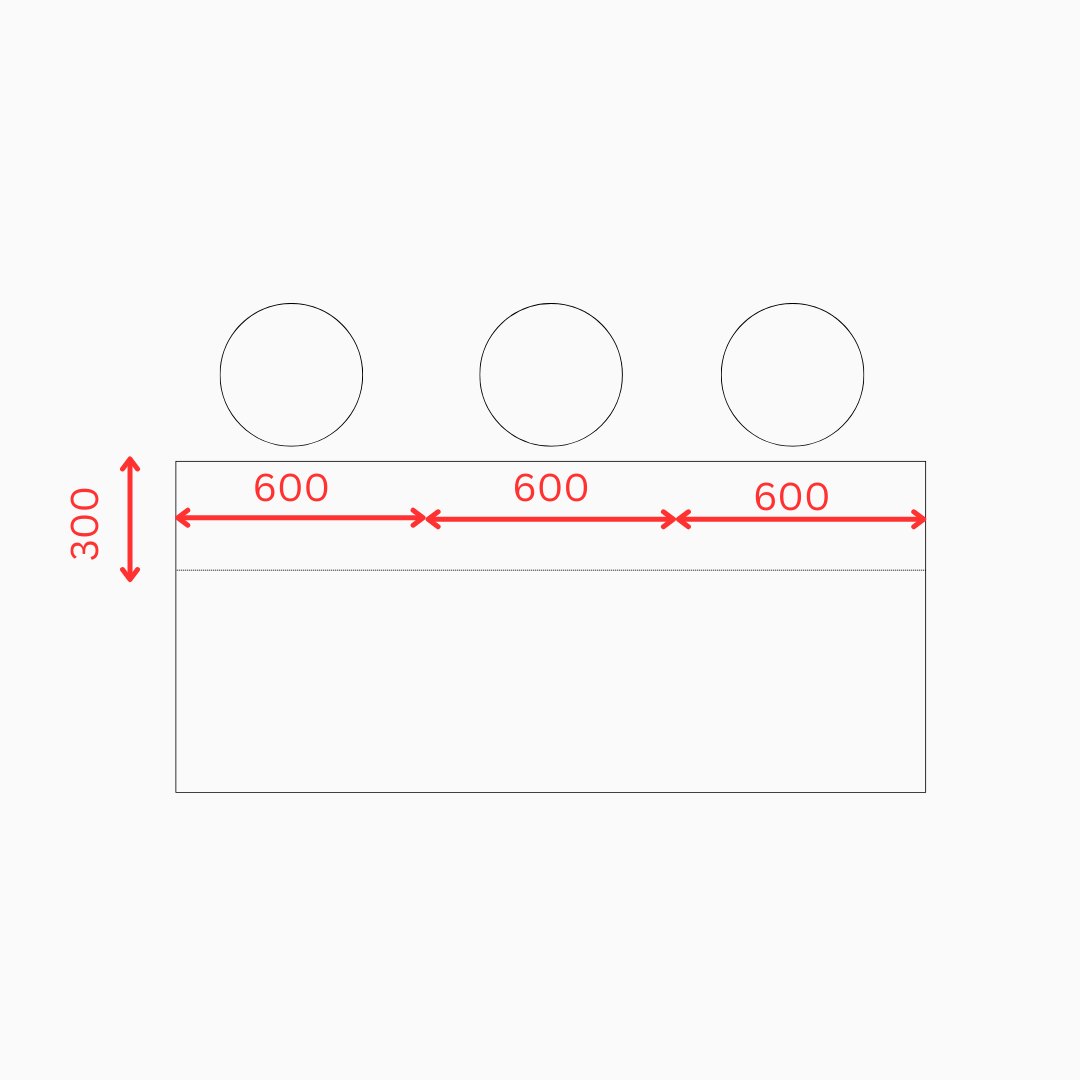
If you want seating at the island, it’s important to allow enough space for each person to sit comfortably.
Seating dimensions per person:
Width per person:
600 mm
This allows enough elbow room between seats.
Worktop overhang:
300 mm
This overhang provides comfortable legroom for stools.
Example island lengths for seating
2 seats - 1200 mm island length
3 seats - 1800 mm island length
4 seats - 2400 mm island length
If the island also includes appliances or a sink, additional length may be required.
5. Consider Worktop Material and Slab Length
One factor that many homeowners overlook is the maximum size of worktop materials.
Different materials are manufactured in different slab sizes, which can affect whether the surface will appear seamless.
Typical maximum lengths
Stone or porcelain
Max approximately 3–3.2 m
Laminate
Typically up to 4 m
Hardwood
Can reach around 6 m
Solid surface (e.g., Corian)
Multiple sheets can be seamlessly joined, allowing very long worktops.
This is worth considering if you are planning a particularly large island.
For a full breakdown of which material performs best in real kitchens — including heat resistance, maintenance, budget guidance, and undermount sink compatibility — see the guide to the best kitchen worktop material UK
Kitchen Island Size Guidelines (Quick Reference)
Here are the most important kitchen island size guidelines to follow:
Minimum island size: 900 × 1400 mm
Ideal island size: 900 × 1800 mm to 1000 × 2400 mm
Clearance around island: at least 900–1000 mm (ideally 1000–1200 mm)
Standard island depth: around 900 mm
Typical height: ~900 mm (same as worktop)
These guidelines ensure your kitchen island supports movement, workflow, and everyday use — not just aesthetics.
A Simple Rule to Size Your Kitchen Island
A useful way to apply kitchen island size guidelines is this:
The island should never dominate the space — it should fit within the room, not fight it.
In most projects, I design the island around circulation first, then adjust size based on function:
Cooking + prep → deeper island
Seating → longer island
Storage → balanced proportions
This approach ensures the island supports how you actually live, not just how it looks.
See these principles applied in a real project — explore this open-plan kitchen extension in Birmingham, where a central island with a built-in range cooker anchors the whole room.
Key Takeaways for Planning a Kitchen Island
A well-designed kitchen island can improve both the function and flow of a kitchen, but only if the proportions are carefully planned.
Before committing to an island, make sure to evaluate:
clearance around the island
the minimum island size
its main function
seating requirements
worktop material limitations
When these elements are balanced properly, the island becomes a highly practical and social feature of the kitchen.
Once your island size is confirmed, colour is the next decision — see the guide on kitchen colours 2026 for what's working this year, including the best two-tone combinations for kitchen islands.
Frequently Asked Questions About Kitchen Island
-
Minimum 1400–1600 mm long and 900 mm deep, depending on layout.
-
Ideally, 1000–1200 mm between the island and kitchen units.
-
Most islands are 900–1200 mm wide depending on function.
-
Yes — if clearances drop below 1000 mm, the kitchen becomes uncomfortable to use.
Planning a renovation or kitchen extension?
If you're unsure whether an island will work in your space or how to organise your kitchen layout properly, explore my kitchen and open-plan interior design service, where I help homeowners design practical, well-planned kitchen layouts before construction begins.
If you’re planning an open-plan kitchen in Solihull, you can explore my dedicated service here:
